

Jefferson Barracks, Ulysses S. Grant National Historic Site
U.S. NPS
SITE
Jefferson Barracks is a county park, historic site, museum district, active military installation, national cemetery, and a Department of Veterans Affairs hospital complex.
Today the site features a recreational park managed by St. Louis County, a National Cemetery managed by Veterans Affairs, and a number of museums, including the Missouri Civil War Museum.
Jefferson Barracks Historic Site
345 North Rd.,
St. Louis, MO 63125
CLOSED MON + TUE
Museums
Old Ordnance Room - Wednesday - Sunday, Noon - 4 p.m.
Powder Magazine Museum - Wednesday - Sunday, Noon - 4 p.m.
Missouri Civil War Museum
222 Worth Rd,
St. Louis, MO 63125
Located within Forest Park
** closed Monday **
Tuesday-Saturday: 10am-4pm
Sunday: 11am-4pm
Tickets - $9 /adult
Parking - Free parking for Museum guests is located behind the Museum building. Additional parking may be found along Randolph Circle, due south of the Museum.
At 22,000 square feet, the Missouri Civil War Museum is filled with over one thousand artifacts and several films throughout. Each gallery and exhibit tells a different story of Missouri in the American Civil War, from guerrillas and jayhawkers to life on the home front. The Museum also contains several galleries on the post-war era and the history of our home here at Jefferson Barracks.
Jefferson Barracks National Cemetery
2900 Sheridan Rd,
St. Louis, MO 63125
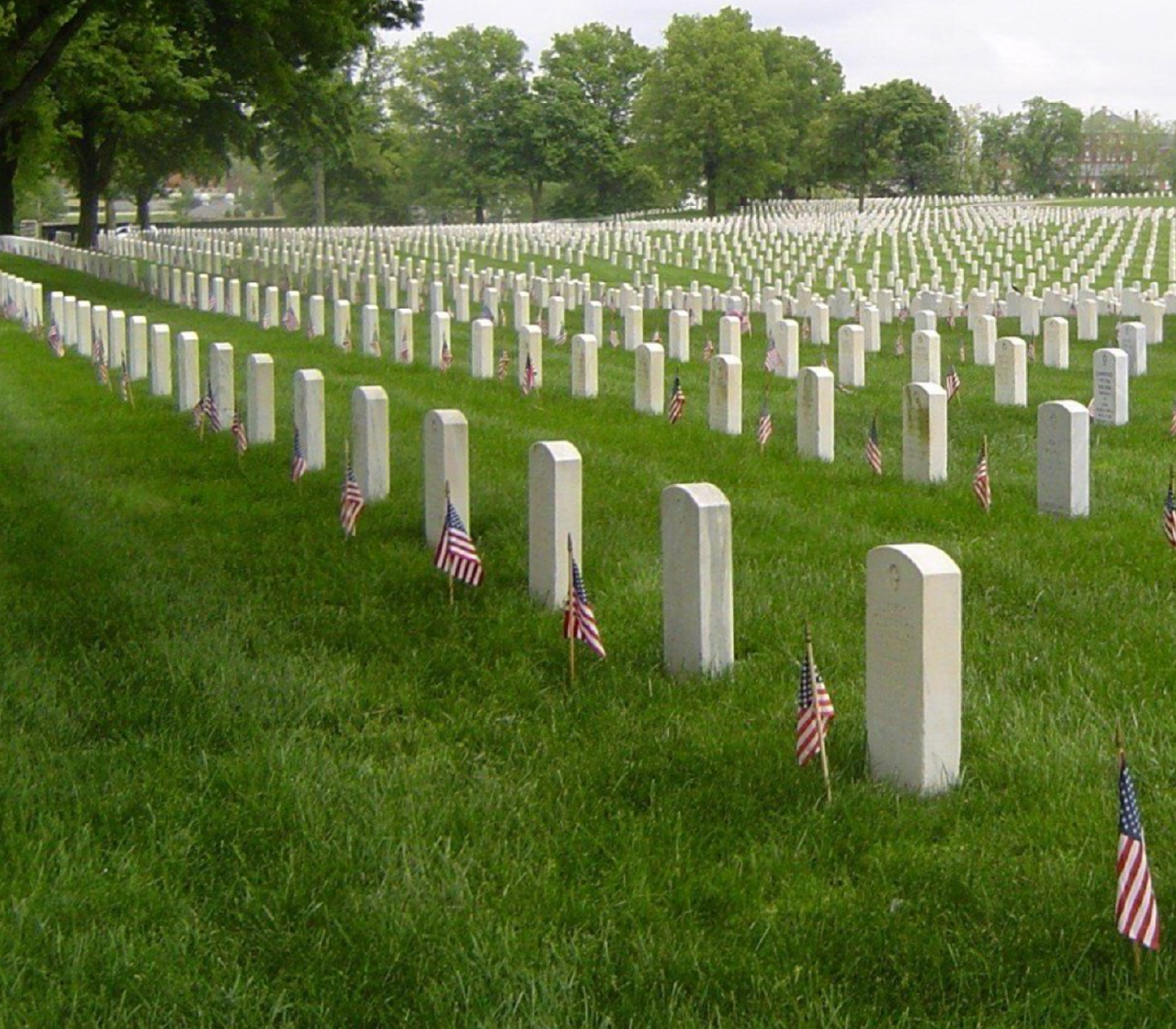
Established in 1827, Jefferson Barracks National Cemetery is the final resting place for over 200,000 veterans and their loved ones. Veterans are buried here from every American war, including the American Revolutionary War. It is also the largest burial site of Civil War soldiers in Missouri with over 16,000 Federal and Confederate soldiers. On average, there are 28 burials each day.
HISTORY

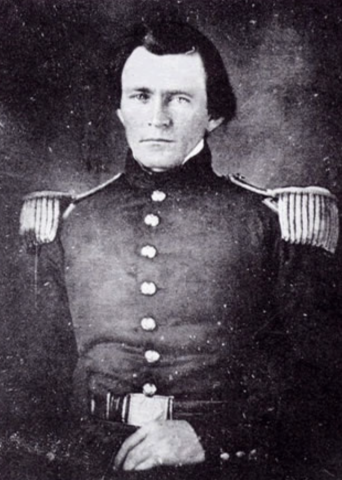
Originally an active military base from 1826 through the end of World War II, Jefferson Barracks was Ulysses S. Grant's first deployment with the U.S. Army after graduating from West Point in 1843. Despite his excellent horsemanship, he was not assigned to the cavalry after graduating from West Point, but to the 4th Infantry Regiment. Grant's first assignment was the Jefferson Barracks near St. Louis, Missouri. Commanded by Colonel Stephen W. Kearny, this was the nation's largest military base in the West. Grant was happy with his new commander but looked forward to the end of his military service and a possible teaching career.
In 1861, troops from Jefferson Barracks, led by Nathaniel Lyon, participated in the "Camp Jackson Affair," which saved the St. Louis Arsenal from pro-secessionist state forces. In 1862, Jefferson Barracks was turned over to the Medical Department of the U.S. Army and became one of the largest and most important Federal hospitals in the country. Sick and wounded soldiers were brought to Jefferson Barracks by riverboat and railroad car. In 1864, Jefferson Barracks became a concentration point for the defense of St. Louis during "Price's Raid, " the last major Confederate invasion of Missouri. In 1866 a national cemetery was established at Jefferson Barracks.
On October 23, 1826, the war department declared the post to be named Jefferson Barracks in honor of President Thomas Jefferson who died six days prior to the founding of the post. The location of Jefferson Barracks near St. Louis and on the Mississippi River proved to be an excellent site for a permanent military post. Few military installations have been as important to the United States as Jefferson Barracks. The entire history of Jefferson Barracks is displayed at the Powder Magazine Museum. The post was deactivated in 1946.