


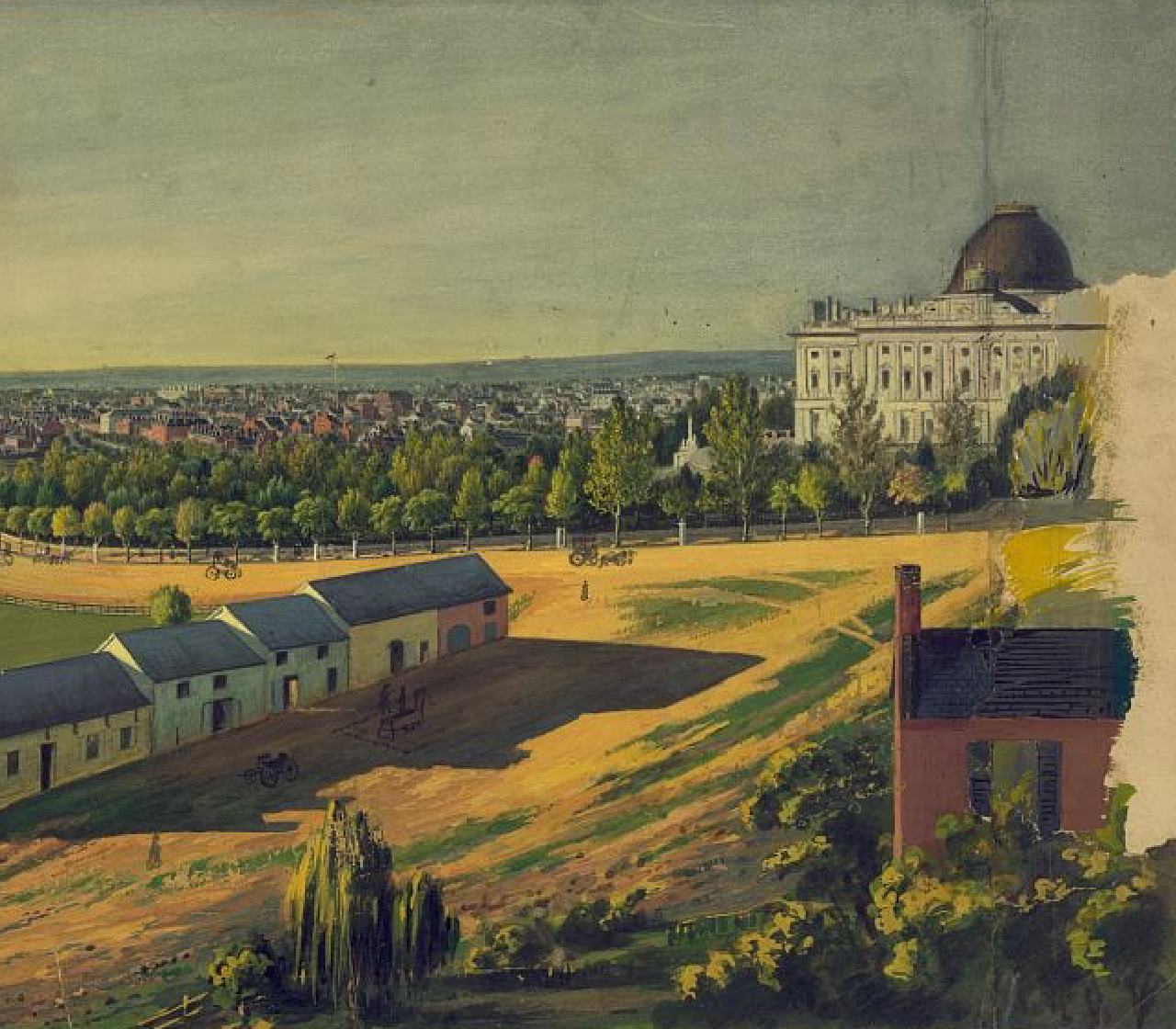
Washington,
DC
lots more to be added to this one
Featuring - Frederick Douglass, Abraham Lincoln, Robert E. Lee
DAY 1 - LEE / DOUGLASS / LINCOLN
SITE
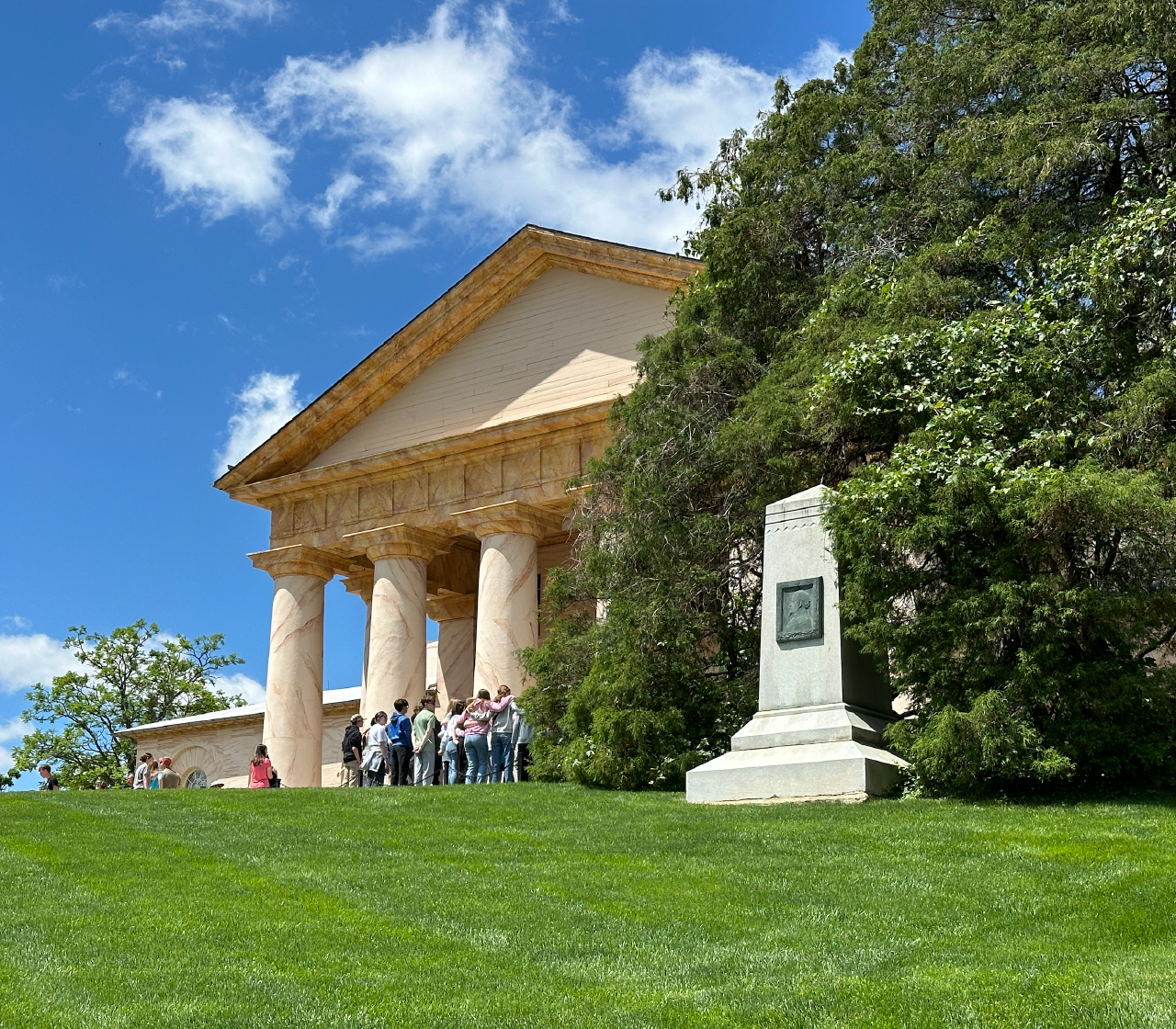
Arlington House, The Robert E. Lee Memorial
Arlington National Cemetery
Arlington 22211
Daily, 9:30am - 4:30pm
1hr - Visitors typically spend 10-20 minutes in each of Arlington House's four buildings.
Bags shouldn’t be larger than 18 x 16 x 8 inches
Parking - located at the main Memorial Avenue entrance, next to the Welcome Center. $3 per hour, with a daily maximum of $12 a day for passenger vehicles.
Arrival - Access to Arlington House is through Arlington National Cemetery either from the Cemetery’s Parking Garage or by Arlington Cemetery Metro. You cannot drive directly to Arlington House. From within the Cemetery you can take the Arlington Cemetery Tour trolley, or walk, about 15-20 minutes from the Arlington National Cemetery Visitor Center Security Access Point up a hill to Arlington House.
HISTORY

Originally constructed between 1802 and 1818, the house was built to be both the residence of George Washington Parke Custis and as the nation's first memorial to his adoptive grandfather, George Washington. The home became the repository of hundreds of relics and artifacts that once belonged to George and Martha Washington at Mount Vernon.
Custis' daughter Mary Anna Randolph Custis would then marry a young Robert E. Lee in the house in 1831. This house became the residence of Robert E. Lee and his family before the Civil War. Over the 60 years leading up to the Civil War, Arlington House was also home to nearly 100 enslaved African Americans who lived and labored on the estate.
During the American Civil War, the house was seized by the Union Army who proceeded to turn the plantation into a military cemetery, Arlington National Cemetery.


The Slave Quarters
Located in back of the main house are two rectangular buildings, which are set at right angles to the house, forming a small service court. These buildings, the two surviving slave quarters which housed enslaved people who were the house servants of the Custis and Lee family, have three rooms each, and have stone foundations with rough stucco walls featuring Greek Revival architectural details. It is thought that Hadfield also planned these buildings. The stone well is located between one of these structures and the North Wing of the house.
The Summer Kitchen was located in the North Slave Quarters and housed the carriage driver, Daniel and his son, Daniel in one room. George Clark, the long-time plantation cook, and his assistant lived in another room. The “Summer Kitchen” was located in a basement of this building, but was filled in at some point and no longer exists.
The South Slave Quarters housed Selina Gray, Mrs. Custis's personal maid and trusted housekeeper. She, her husband and their eight children lived in one room with a small loft where some of the children slept. The loft was accessible by ladder and the crawl-space attic had a ceiling only high enough for small children. There were no windows in the attic. The middle room in the South Quarters building was used as a Smoke House where hams and other meats would be hung from the ceiling to smoke and cure. The third room in this building housed other slaves that worked in the Custis-Lee household.
There was a slave School House located in the grove of trees behind the flower garden and roughly where the Old Amphitheatre of the National Cemetery is now located. Enslaved field workers lived in log cabins, mostly in the southern end of the plantation, but none of these cabins have survived.

SITE
1411 W Street SE,
Washington, DC, 20020
Parking - The visitor center and a free parking lot are at the bottom of the hill near the intersection of W and 15th Streets SE
Guided tours only, Reservations strongly encouraged.
1.5hrs
9:00 am, 12:15 pm, 1:15 pm. 3:00 pm. 3:30 pm, 4:00 pm
HISTORY
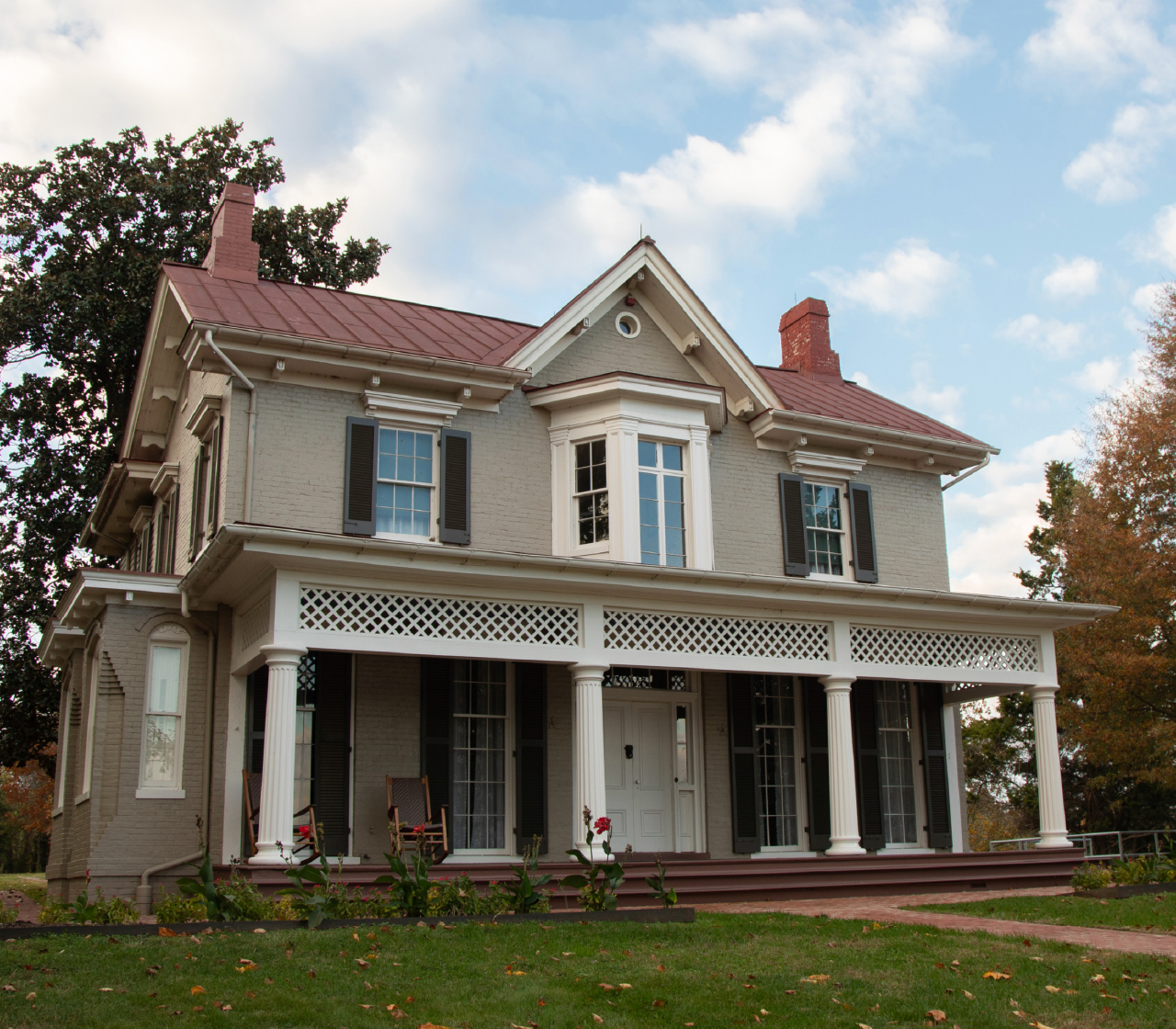
Historic House, Cedar Hill, where Frederick Douglass lived from 1877 until his death in 1895.
Construction of the House
- The house was built between 1855 and 1859 for John Welsh Van Hook, an architect from Philadelphia, Pennsylvania. The house consisted of between 6 to 14 rooms.
- In 1854, Van Hook partnered with John Fox and John Dobler and formed the Union Land Association, whose offices were in the Van Hook home. These developers purchased 100 acres of farmland to form a new subdivision called Uniontown (today Anacostia).
Frederick Douglass at Cedar Hill
- On September 1, 1877, Douglass paid $6,700 to the Freedmen’s Savings and Trust company for the home and 9 and ¾ acres of land.
- Douglass purchased an additional 5 and ¾ acres of land from Ella R. Talburtt in 1878.
- Douglass moved into the home with his first wife, Anna Murray Douglass, during the fall of 1878.
- Following the death of Anna in 1882, Douglass married Helen Pitts in 1884 and resided with her at Cedar Hill until his death on February 20, 1895.
- Douglass made a series of additions to the house, dating from 1877 to 1893. By the time of his death, the home was converted into a 21-room mansion.
- The improvements most likely made between 1877 and 1878 included the construction of a two-story, wood-framed addition at the rear of the house. The original kitchen was converted into a dining room and a new kitchen was added to the south wing. Upstairs a partition which divided two rooms on the west side of the house was removed and replaced by two walls to create three smaller bedrooms. Finally, during this period, the attic was finished to create five additional rooms.
- Other additions were made to the home throughout the years and included the building of a new library around 1886 and the addition of a second-story bedroom between 1892 and 1893.
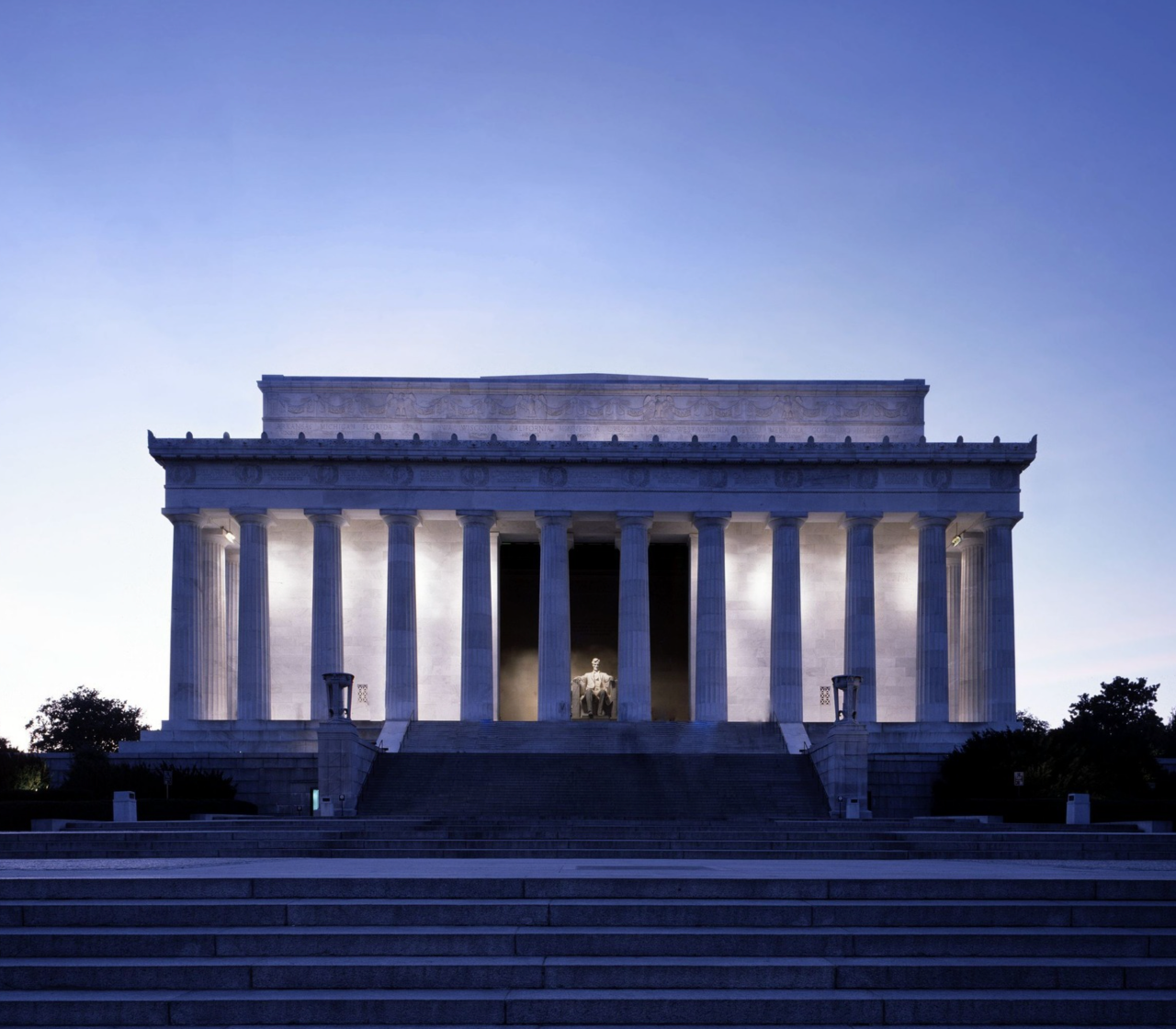
2 Lincoln Memorial Circle, NW
Washington 20002
Daily, 9:30am - 10pm
Recommend morning or early evening
Parking - available along Ohio Drive, SW between the Lincoln and Thomas Jefferson Memorials.
DAY 2 - EVERYTHANG
Willards Hotel Location
Old War Office
Grant's Home
Stanton's Home